
Trending
The NCAA made an important addition to its approach to sports betting on October 29, 2026. Its new partnership with the Bad Actor Program will help identify people who threaten or harass college athletes over gambling outcomes. In some cases, the information could lead to those individuals losing access to participating betting platforms. The initiative reflects a change in how American sporting organisations approach gambling. Leagues once concentrated their attention on protecting competition from improper influence. They now recognise a broader responsibility toward the people participating in their events and the spectators following them. That responsibility increasingly extends to the conduct of fans after a result has been decided.
Responsible Betting Begins Before the Game
Sports coverage has changed considerably since regulated online wagering became available across much of America. Alongside team selections and injury reports, fans encounter betting information through dedicated websites. Covers provides odds and game analysis, while its comparisons of Canadian sportsbook bonuses explain how promotional offers work. These guides examine qualifying deposits and the conditions attached to rewards. Although Canadian offers follow their own jurisdictional requirements, the principles of checking eligibility and understanding the terms apply to American consumers. A promotion deserves consideration within an established entertainment budget rather than determining how much someone spends.
The distinction has practical importance in Ohio. State law requires authorised sports betting advertisements to explain promotional conditions and disclose information about the odds of winning. Operators must also include responsible gambling messages. The requirements extend beyond promotional wording to the services themselves, which must provide protections for customers using betting accounts. If you’re comparing an offer before a football game, the relevant information includes what you must wager and when the promotion expires. Ohio’s rules aim to make those details available before a customer commits money.
Basketball Leagues Are Speaking to Younger Fans
The NBA and WNBA announced a joint responsible gaming campaign on October 13, working with the National Council on Problem Gambling. Its focus extends beyond traditional sports wagering to prediction markets, where customers purchase contracts connected to future results. The campaign will appear across league broadcasts and digital channels during the 2026-27 NBA season. Young adults form an important part of the intended audience. Colie Edison, the WNBA’s chief growth officer, said the initiative would help followers understand financial risk and recognise when support might be appropriate.
Reaching those viewers through familiar sporting coverage offers an advantage over relying on disclosures within gambling applications. The leagues can deliver guidance to people who follow basketball without assuming that everyone participates in wagering. Their campaign encourages fans to set spending limits and treat predictions as entertainment. It also explains the importance of keeping betting expenditure separate from essential financial commitments. The message comes from organisations whose games attract the audience, allowing responsible-play information to appear within ordinary discussions of professional basketball.
Athlete Protection Has Become a Separate Priority
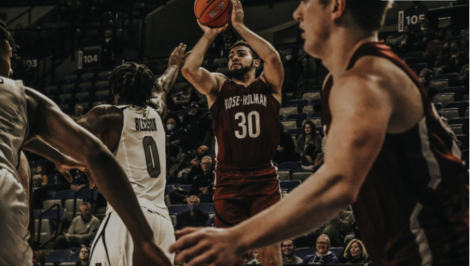
The NCAA’s latest initiative addresses behaviour directed toward players after sporting events. Its Bad Actor Program combines social media monitoring with investigations that can identify abusive account holders. The association’s earlier research found more than 5,000 verified abusive or threatening posts directed at championship participants. Sports betting accounted for 12% of those messages, rising to 19% in men’s basketball. The NCAA identified these patterns through monitoring conducted with Signify Group. Its October announcement expands that work by supporting information sharing with participating gambling companies.
The findings have consequences for the relationship between supporters and athletes. A disappointed spectator can question a team’s performance without directing personal threats toward a player. The NCAA wants participating companies to recognise when conduct crosses that boundary. President Charlie Baker described the new programme as part of the association’s commitment to protecting college sports participants. Schools and sporting organisations can report incidents, while gambling operators can apply their account rules when investigations identify abusive conduct. The arrangement gives athlete protection a place within the industry’s existing systems of customer accountability.
Ohio State Has Made Betting Education a Campus Issue
The concerns extend to college campuses where sports form a substantial part of community life. Ohio State’s Student Wellness Center provides guidance on betting for students and supporters. Its resources explain the state’s minimum participation age of 21 and the importance of maintaining spending boundaries. They also address the relationship between financial stress and gambling decisions. The university encourages students to consider how wagering fits alongside their other commitments. Its advice includes keeping money for essential expenses separate from entertainment spending.
Ohio has also established restrictions affecting the types of college wagers sportsbooks can offer. Its gaming regulator prohibited bets on individual college athletes’ performances in 2024. These markets allow customers to predict a particular player’s statistical achievement rather than the result of the match. The NCAA has continued encouraging other jurisdictions to adopt comparable restrictions. For supporters around Martins Ferry, the distinction applies when following college football or basketball through licensed betting services. State rules determine which markets customers can access, while university programmes provide information about making considered decisions.
Motor Racing Has Developed Its Own Approach
NASCAR demonstrated another method during Responsible Gaming Education Month in September 2026. Its campaign encouraged supporters to establish a betting budget before participating and understand the possible financial outcomes. The organisation partnered with the American Gaming Association to distribute educational information through its sporting channels. Its guidance also described the account controls available through regulated betting services, including deposit limits and temporary breaks from wagering. The approach connects consumer advice with the events fans have chosen to follow.
Motor racing has also developed procedures to protect competition integrity. In 2022, the organisation expanded its agreement with Sportradar to monitor suspicious betting patterns across its national racing series. The arrangement included education for drivers and teams, along with investigative support. NASCAR managing director Joe Solosky identified competition integrity as an important consideration in the sport’s relationship with regulated betting. Such arrangements allow sporting organisations to maintain oversight while offering fans access to information about the markets associated with their events.