
Mental Health and Recovery Board continues to fight opioid addiction
Trending
ST. CLAIRSVILLE -- Gov. Mike DeWine announced that the Ohio Department of Mental Health and Addiction Services is providing $100 million in grants to communities to fight opioid addiction and prevent overdose deaths, and some of that money is coming to Eastern Ohio.
"Ohio continues to make good progress in our effort to stem the tide of opioid addiction, but our work is far from over," DeWine said in a news release. "While the rate of unintentional overdose deaths is slowing, our work must continue. This funding will help us save lives and promote stronger, healthier communities."
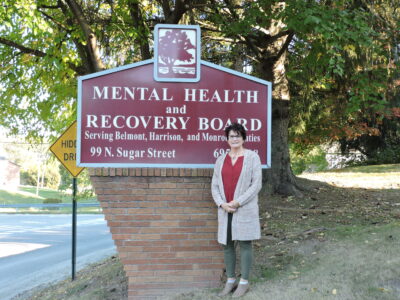
The grant program, known as State Opioid and Stimulant Response, is set to provide $668,678 to the Mental Health and Recovery Board of Belmont, Harrison and Monroe Counties. Lisa Ward, executive director of the Mental Health and Recovery Board, said that the funding will help incarcerated people in Belmont, Harrison and Monroe County jails who have previously struggled with opioid and stimulant use disorders to transition back into society.
Ward said this is the Mental Health and Recovery Board's third year receiving the grant and working with local incarcerated people. For the past two years, the program has focused on helping incarcerated people in Belmont County, but Ward said that she hopes to expand the program to provide more support for Harrison and Monroe counties.
She said the program helps the incarcerated find housing and resources to help them be successful in the community. For all three years of the program, the board has been partnering up with Thrive, a peer support organization from Solon, Ohio.
"We partnered with them to work here in Belmont, Harrison and Monroe county jails to actually go into the jail and engage with inmates who are going to be looking or transitioning back to the community and helping them with that transition by providing support and individual advocacy for the client," Ward said.
Ward said the program has been growing each year, but starting the program during the COVID-19 pandemic was a challenge. She said the effort heavily relied on telehealth, or virtual health care, during the pandemic.
"Thrive has been a great, a great partner willing to come into this area and work alongside us among some of these obstacles around, you know, for the first two years just COVID issues and trying to work through telehealth, and we have big barriers with transportation for a lot of our county residents," Ward said.
"We were trying to help Thrive work through that and get telehealth up and running in the jail, but since 2020, it has really grown. Thrive is now able to do in person outreach in the jail," she said.
Ward said that all of the staff at Thrive are in recovery and previously struggled with addiction or substance use disorder.
"They have lived experience with addiction and understand the needs of the peers that they're working with, which makes a huge difference," she said.
Ward also said that Crossroads Counseling Services is working with the incarcerated.
"They send a lot of referrals to Thrive so that the inmates can start their peer support before they ever are discharged," she said.
Ward said that, over the years, the Mental Health and Recovery Board has been getting positive feedback from the incarcerated people it has helped.
"It is very helpful to have somebody at their side, somebody to ask a lot of questions and help navigate a lot of resources before they face coming back out to the community," Ward said, noting that she hopes to continue to build the program with Thrive.