
Belmont County leads the state in Lyme disease cases
Trending
MARTINS FERRY - Belmont County is leading the state in confirmed Lyme disease cases in 2026.
The Ohio Department of Health recently released 2026 case numbers per county with Belmont County having the most with 24 confirmed cases in 2026.
Belmont is followed by Jefferson and Licking County, which both have 13 confirmed cases.
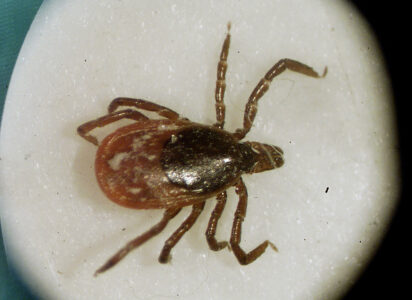
Belmont County Health Commissioner Robert Sproul said that the high number of cases is due to the prevalence of ticks in the area.
"Not all ticks carry disease, but apparently the ones that are reaching our area have Lyme disease in their system," Sproul said. "We have a heavily wooded area, but it’s been creeping our direction from the east coast. It’s just steadily making its way through our area and across the state it will spread. Because it just keeps moving with the ticks."
He added that the number one indicator of Lyme disease is a bullseye looking rash where the tick has bit you at.
In addition to Lyme disease ticks can also carry Bourbon virus, ehrlichiosis.
According to the Harvard School of Medicine, early symptoms of Lyme disease include fatigue, malaise, lethargy, muscle or joint pain that moves around, loss of appetite, swollen lymph nodes, and fever.
"The only way to really verify that you have it is to get tested," Sproul said.
With summer quickly approaching, Sproul provided a few tips to stay safe while enjoying the weather.
"You need basic repellents, you'll need to use DEET. Applying that before you go out and looking for ticks when you return," he said. "Wear light colored clothes again so you can see that dark tick crawling on you. Basically just be very vigilant with keeping an eye out to see if you have a tick on you and remove it before it bites you."
DEET is an insect repellent that is used in products to prevent bites from creatures such as mosquitoes, biting flies, fleas and small flying insects. DEET is a colorless liquid that has a faint odor and does not dissolve easily in water.
According to the National Pesticide Information Center, people who have left DEET products on their skin for extended periods of time have experienced irritation, redness, a rash and swelling
He added that Lyme disease can be treated so people shouldn’t be too worried as long as they catch it early.
Sproul said that it is possible for Lyme disease to cause long-term effects if you either don't catch it early enough or ignore the symptoms.
"It’s not something to ignore," Sproul said. "You need to get it taken care of because you have some people who’ve had long term effects from it.”
According to the Ohio Department of Natural Resources, if you are bitten by a tick, carefully remove the tick, including its mouthparts, from your skin using tweezers. Monitor your health the following days. While the CDC recognizes a 36- to 48-hour window is needed for disease transmission, there is evidence that transmission can occur sooner.