
‘Fiesta For Your Mind’ luncheon focuses on suicide prevention among older population
Trending
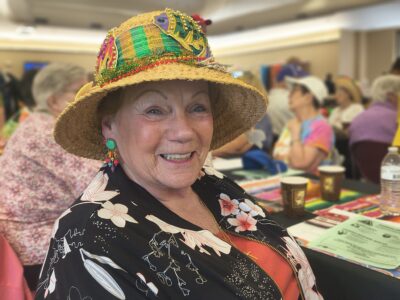
ST. CLAIRSVILLE - Senior citizens of Belmont County enjoyed a "Fiesta For Your Mind" luncheon at the senior center in St. Clairsville on Friday.
Before chowing down on tacos, the seniors learned about suicide prevention and awareness from Sandy Williams, founder of Jerry's Walk-Illuminating Suicide Awareness, an event named after her father, Jerry Williams, who died by suicide in 2011.
For the past 10 years, Williams has held the walk to raise money to fund programming that teaches people about the signs and symptoms of depression and suicide and to dispel the stigma of talking about mental health.
Friday's event was made possible by a grant from the Ohio Suicide Prevention Foundation's Jerry Williams Memorial Fund. Lorrissa Dunfee, Ohio State University Extension educator, launched the outreach and education initiative aimed at preventing suicide among seniors in the county.
In addition to the luncheon and speaker, other programs held during the past few months have included Coffee Connection Cafés, which offered opportunities for seniors to come together and build relationships while socializing; suicide prevention trainings that taught seniors the skills to recognize warning signs of someone thinking of suicide and how to respond; and mental health and prevention presentations held at local senior centers across the county.
Williams said she wanted seniors to know their feelings and related ailments are valid and that depression is not a normal part of becoming older.
"We ought to be able to live our best lives until the end of our lives. ... Don't let yourself become invisible," she said.
Williams said she hoped seniors would embrace talking to and taking care of each other.
"There's a lot of pain that goes along with losing someone to suicide," she said. "We took that pain and we decided to turn it into purpose. We don't want other families to feel what we felt. We want people to know what to do."
Warning signs of suicide can include someone talking about wanting to die, talking about guilt or shame or talking about being a burden to others.
People who are suicidal may feel empty, hopeless, trapped or feel they have no reason to live. They may feel extremely sad, be more anxious, agitated or full of rage.
There can also be changes in behavior, including making a plan or researching ways to die. They may withdraw from friends, say goodbye, give away important items or make a will. People thinking of suicide may also start taking dangerous risks such as driving very fast, display extreme mood swings, eat or sleep more or less often or use drugs or alcohol more often.
The Suicide and Crisis Lifeline number is 988.
Williams said her foundation has funded other programs as well, including one to train seniors to be peer support people for housebound seniors.
Another involved training primary care doctors, nurses and front-office workers to recognize the signs and symptoms of depression and warning signs of suicide.
"It always bugged me that my dad went to his primary care physician who would not look at him. He literally walked by him in the waiting room. And within a week he was dead. ... I'm doing my research and I find out that 60 percent of people who die by suicide see their primary care physician within a month of their death. A third of those people see them the same week they die. Now I'm not blaming the doctor, but here's a place where maybe we can make an impact. Because people are trying to get help from somebody," she said.
After training in one office, employees began noticing what was happening in patients' lives and how it may be impacting them mentally as well.
"It was a great success," Williams said, adding she hopes to offer the training to more local doctors' offices.