
Wheeling Hospital Offers Hope for Life-Saving Weight Loss
For a subset of the population living with morbid obesity, diet and exercise alone are often not enough to result in long-term weight loss. Obesity is a complicated chronic disease influenced by genetics, metabolism, hormones, and other factors, and sometimes requires medical intervention to achieve lasting results.
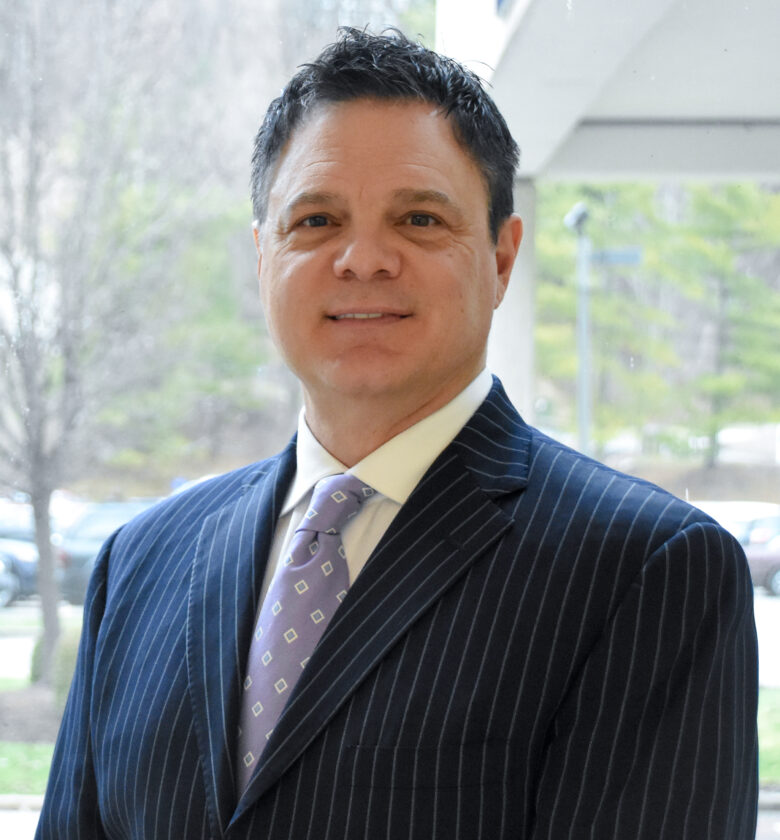
Dr. Joseph Colella has been a bariatric surgeon at Wheeling Hospital for the past five years and has performed weight-loss surgery for more than 30 years throughout the region. A pioneer of robotic-assisted bariatric surgery, he performed the first robotic bariatric procedure in Western Pennsylvania and is widely respected for both his technical expertise and his compassionate approach to patient care.
The rising popularity of GLP-1 medications has changed the weight-loss landscape, but for patients who qualify for bariatric surgery, these medications may delay rather than replace surgical treatment.
“While these medications have great benefit to our society as a whole, they aren’t really impacting the morbidly obese population,” Dr. Colella says. Typically resulting in a 5-10% weight loss, they often fall short for patients with severe obesity, potentially postponing a life-saving intervention.
Bariatric surgery has also become significantly safer over time. Today, the most common procedure is the gastric sleeve gastrectomy, which permanently reduces the size of the stomach to promote earlier fullness and decreased hunger. A smaller number of patients undergo the Roux-en-Y gastric bypass, a more complex operation that alters digestion by rerouting the intestines. Because the gastric sleeve offers comparable weight loss results with a safety profile similar to gallbladder surgery, it is often the preferred option for many patients.
Over the decades, Dr. Colella has seen the life-changing effects of these procedures on his patients.
“For the people who need this surgery, it is a life-saving event for them. It may not save their life in the next year, but it’s going to save their life eventually. It’s going to increase their lifespan,” he says.
To qualify for bariatric surgery, patients must have a BMI above 40, or a BMI between 35 and 40 with at least two comorbidities, such as type 2 diabetes, heart disease, or sleep apnea. Most insurance plans cover the surgery for those who qualify, and your doctor can help you through the approval process.
Upon approval, patients must undergo several preliminary consultations, as well as the standard pre-surgical testing. Patients must also follow a clear liquid diet for one week leading up to surgery.
Advancements in technology have made bariatric surgery even safer over the years. Dr. Colella was an early adopter of robotic surgery, as the director of robotics at UPMC for seven years.
“WVU Medicine has also really been ahead of the curve in robotic surgery. The robotic systems have proliferated throughout the system now with many surgeons taking advantage of it,” he says.
The key benefits of robotic surgery include enhanced surgeon visibility (with 10x magnification) and improved operational capability, leading to less short-term post-surgical pain due to reduced torque on the abdominal wall.
For most patients, the surgery is just the beginning of a huge lifestyle change.
“Although I’m a weight-loss surgeon, I think of myself more as a surgeon who gets people to eat healthy, and then weight loss becomes a side effect of that,” says Dr. Colella.
By reducing hunger and increasing satiety, bariatric surgery helps patients more easily maintain a healthy diet and achieve lasting weight loss. As weight decreases, patients often experience improved mobility, energy, and sleep, with a significant improvement or remission of conditions such as type 2 diabetes, high blood pressure, and sleep apnea.
Dr. Colella works with two staff dietitians who support patients with post-surgical dietary guidance. For patients who undergo the gastric sleeve gastrectomy, the post-surgical dietary recommendations are the same as any general healthy eating guidelines. Dr. Colella recommends a diet high in lean meats, poultry, fish, eggs, and fresh fruits and vegetables.
Bariatric surgery can be a life-changing option for patients struggling with obesity and related health complications. Under the leadership of Dr. Colella, WVU Medicine Wheeling Hospital’s bariatric surgery program combines advanced surgical care with comprehensive support so patients can achieve lasting results.
Sponsored content brought to you by WVU Medicine.